Is your nervous system hypersensitive?
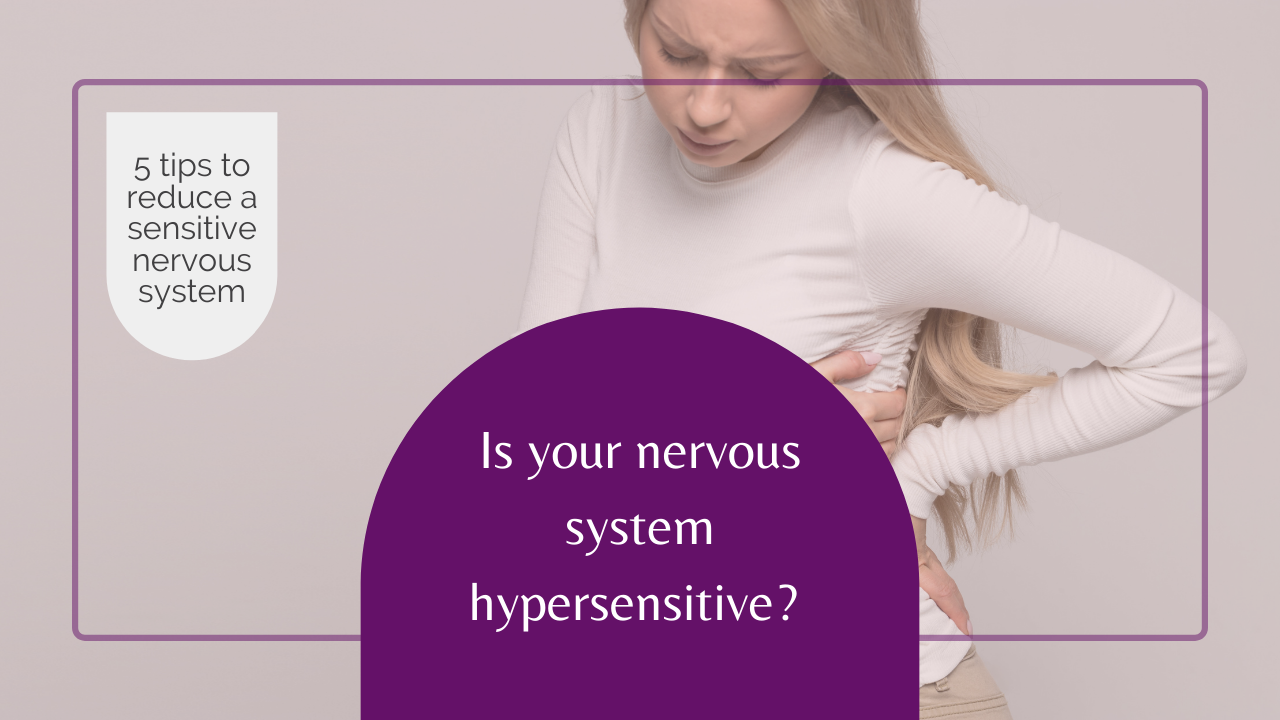

Ever wondered why you're so sensitive to changes in temperature or weather, light, sounds, smells, and even light touch? Why you can't tolerate any one position for too long? Why you get pain now when doing things you used to be able to do? 🤔😢
If you're nodding your head, this post will give you some answers.
Keep reading and you'll learn what it means when your body's alarm system is hypersensitive.
What is "hypersensitivity"?
The term hypersensitivity literally means to be overly responsive to stimuli. When talking about pain, stimuli can be anything from movement, pressure, touch, or vibration, to stress, memories, temperature, blood flow, hormone levels, and even thoughts & beliefs.

When your nervous system is hypersensitive, it means that your body responds with pain disproportionately more than it should considering the intensity of the stimulus.
Think of your nervous system like a smoke detector.
Have you ever set off your smoke detector by taking a long, hot shower? This has certainly happened to me and it can be very frustrating and alarming.
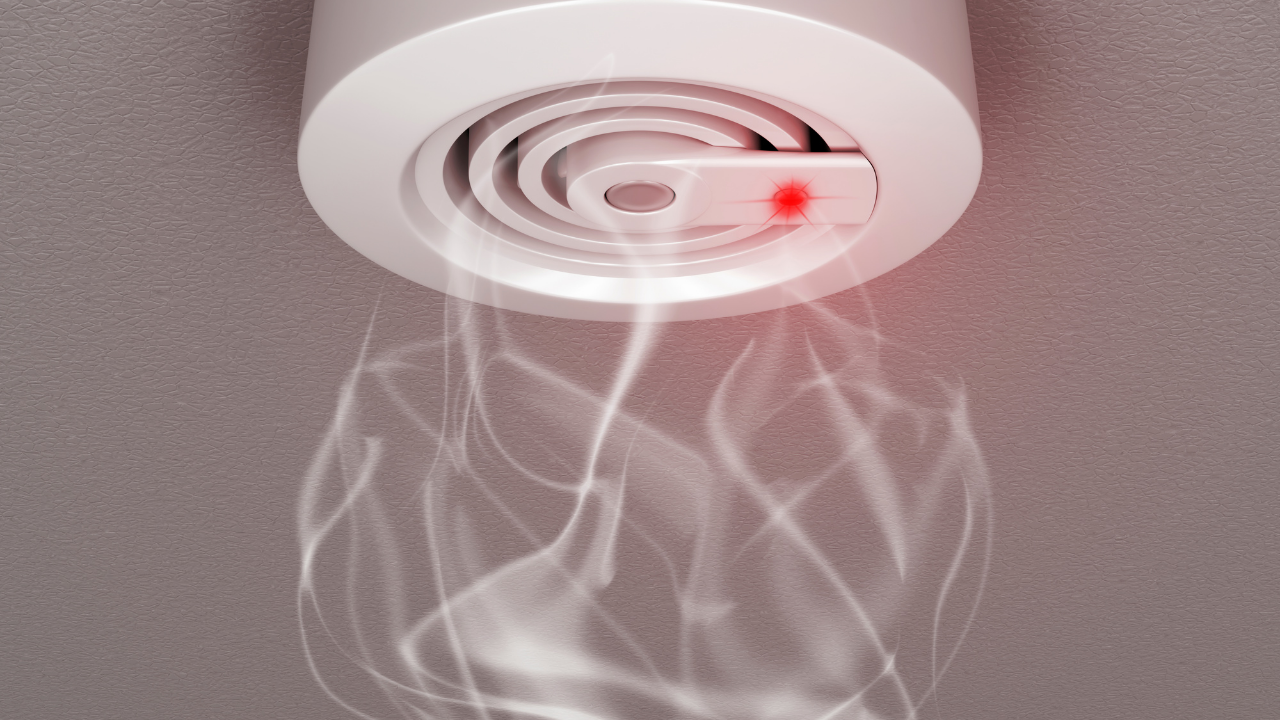
My smoke alarm goes off when it detects the steam from my shower even though its only supposed to detect smoke, hot temperatures, and fire. When this happens, there is an alarm but no fire or smoke, even though the alarm sounds the same.
A hypersensitive nervous system is similar to the smoke alarm alarm that is set off by the shower steam. The alarm goes off with something benign or non-threatening, even something you don't even notice. Whether there is a real threat or not, the alarm feels the same - very real, intense pain is felt.
This can be very confusing to the person experiencing it because pain is usually associated with tissue damage or injury.
Immediately when that pain alarm goes off, you start to worry about what you tore, what muscle you pulled, or what disc you injured.
But it is possible that none of your body's tissues are injured or damaged. Instead, your nervous system is hypersensitive. Its detecting non-threatening stimuli and activating the pain alarm.
This is now a well understood process that occurs in the nervous system due to many changes that occur in the nervous system. In fact, one in four individuals have nervous system hypersensitivity.
The good news is, there are things that can be done to help recalibrate your pain alarm and decrease the sensitivity of your nervous system.
Thanks to something called neuroplasticity, the nervous system can re-wire and become less sensitive. Here are a few ways you can start working on this yourself:
5 Tips and Reminders reduce your alarm sensitivity:
-
Learning the neuroscience of pain - This treatment is called "Pain Neuroscience Education" and it has been proven to help reduce pain & improve functional ability
-
Graded activity & graded exposure - Some call it pacing, but its the practice of gradually pushing to your tolerance level but not past it, and over time it improves activity level.
-
Stop over-doing it and/or under-doing it - Over-doing-it only reinforces pain pathways, which is actually making your pain stick around longer. On the other hand, avoiding activity won't help you get any better either. Again, my motto is push to it, not through it.
-
Nerve gliders & sliders - These drills help to not only mobilize the nervous system, it helps to bathe those cranky nerves in nourishing blood and oxygen, thus helping to decrease their sensitivity.
-
Better sleep hygiene - The nervous system repairs itself during sleep. Because your nervous system is hyper-aroused, it usually won't let you get the restful, restorative sleep you really need. You will need to work extra hard at practicing sleep hygiene techniques to achieve better quality sleep.
Your nervous system may be hypersensitive, which could be causing your stubborn, persistent pain. This leads to persistent pain along with may other strange symptoms including digestive system issues, reproductive system issues, sleep disturbances, memory and mood issues, and more.
You'll find more ways to manage pain & support your nervous system in my program, the Chronic Pain Breakup Method.